
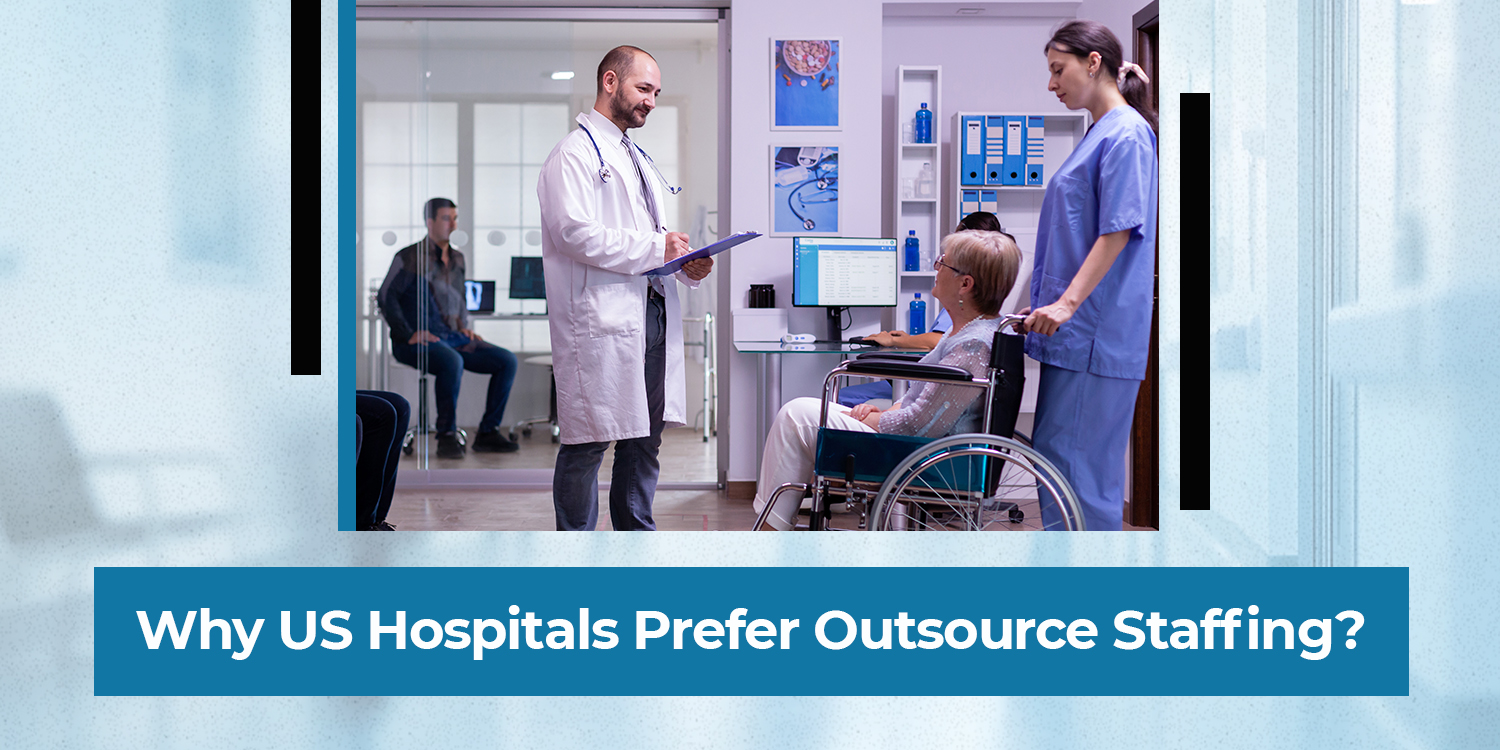
In today’s rapidly shifting healthcare landscape, hospitals across the United States face an ongoing challenge: finding skilled, reliable clinical and non-clinical staff. With rising patient volumes, fluctuating demands, and nationwide talent shortages, many facilities have turned to a powerful solution to outsource healthcare staffing. What once seemed like an optional strategy has now become a cornerstone for operational stability, efficiency, and long-term cost control.
Below, we explore why outsourcing continues to surge in popularity and how it supports hospitals in delivering exceptional patient care.
The Increasing Pressure on Hospital Workforce Management
The modern healthcare environment is more complex than ever. Hospitals are juggling a mix of economic pressures, staffing shortages, and unpredictable patient surges. As a result, many administrators find it difficult to maintain ideal staffing ratios without burning out existing employees.
This is where outsourced recruitment and professional medical staffing services step in to bridge the gap. Instead of spending valuable time and resources on long hiring cycles, hospitals gain immediate access to a vast pool of qualified professionals nurses, technicians, administrative staff, and specialized clinicians.
Outsourcing doesn’t just speed up hiring; it also reduces internal strain, allowing hospitals to refocus their energy on patient care rather than administrative burdens.
Why Hospitals Choose to Outsource Healthcare Staffing
1. Cost Savings Without Compromising Quality
One of the most compelling reasons hospitals choose to outsource healthcare staffing is the significant cost reduction it brings. Managing internal hiring teams, advertising open roles, screening candidates, and conducting multi-layered interviews can quickly drain budgets.
By relying on a trusted staffing partner, hospitals eliminate these overhead costs. They also avoid the financial strain of employee turnover, which is remarkably high in healthcare. In fact, hospitals that invest in hospital staffing outsourcing often see a sharper return on investment and far more predictable labor expenses.
2. Access to Highly Trained Talent Pools
A major advantage of outsourcing is instant access to pre-verified professionals. Staffing agencies specialize in identifying top candidates, ensuring their certifications are up to date, and matching them with the right roles.
This level of precision is difficult for hospitals to achieve independently. With medical staffing services, hospitals tap into nationwide talent pools, making it easier to staff hard-to-fill roles and maintain care quality even during seasonal surges or emergency situations.
3. Reduced Administrative Burden
Recruitment requires tremendous amounts of paperwork, onboarding, background checks, training coordination, and compliance tracking. Hospitals that continue handling these responsibilities in-house often experience delays and inefficiencies.
When they choose to outsource healthcare staffing, much of this administrative load shifts to a specialized partner. Staffing agencies handle credentialing, scheduling, payroll management, and regulatory compliance. This allows hospital administrators to reclaim their time and concentrate on strategic planning rather than endless logistics.
4. Flexibility to Scale Up or Down
Healthcare demand is anything but predictable. Patient volumes can spike due to seasonal outbreaks, natural disasters, or even unexpected surges in community health needs. Outsourcing offers the kind of flexibility that traditional hiring simply cannot match.
Hospitals can scale their workforce up or down quickly through third-party staffing, ensuring they always have the right number of professionals available. This adaptability helps reduce overtime costs, prevent burnout, and keep staffing levels aligned with real-time needs.
5. Improved Patient Care and Experience
When hospitals are understaffed, patient care suffers. Long wait times, overworked nurses, and rushed procedures can negatively impact both patient experience and medical outcomes.
By choosing to outsource healthcare staffing, hospitals fill gaps faster and maintain optimal staffing ratios. A well-supported workforce is calmer, more focused, and more capable of delivering compassionate, attentive care. In short, outsourcing doesn’t just benefit the facility it directly improves patient wellbeing.
The Hidden Benefits of Outsourced Recruitment
Beyond the obvious advantages, there are several subtle yet impactful benefits that make hospital staffing outsourcing the preferred choice:
- Faster hiring cycles due to pre-screened talent
- Lower turnover rates, as staffing partners match candidates more accurately
- Stronger compliance, thanks to agencies’ deep knowledge of regulations
- Better operational continuity, reducing disruptions during staff transitions
- Specialized expertise, especially for niche or high-skill medical roles
These benefits combine to create a smoother, more streamlined staffing experience that hospitals couldn’t replicate easily on their own.
The Future of Hospital Staffing: Strategic Outsourcing
As the healthcare industry continues to expand and evolve, hospitals will face increasing pressure to stay efficient, cost-effective, and resilient. Strategic outsourcing is no longer a temporary fix it has become a fundamental operational strategy.
Partnering with a reliable agency gives hospitals a competitive edge by ensuring they always have the right people in the right roles. Whether it’s long-term staffing, short-term coverage, or rapid recruitment during surges, outsourcing provides unmatched reliability and performance.
Final Thoughts
The decision to outsource healthcare staffing is ultimately a decision to strengthen the hospital from the inside out. It offers cost savings, flexibility, access to better talent, and improved patient care all without the administrative chaos that often accompanies traditional hiring.
As more US hospitals realize these advantages, outsourcing will continue to rise as the new standard for sustainable workforce management.
Comments are closed.